
Every Sitka build starts the same way: a stack of cut aluminum panels, a set of drawings, and a clear picture of the water you want to run. Between January and October 2026, David Evans documented his 15ft Sportsman build from the open wooden crate to a finished 200 hp river boat. His 207 shop photographs show every step required to turn a flat hull kit into a custom jet boat of your own.
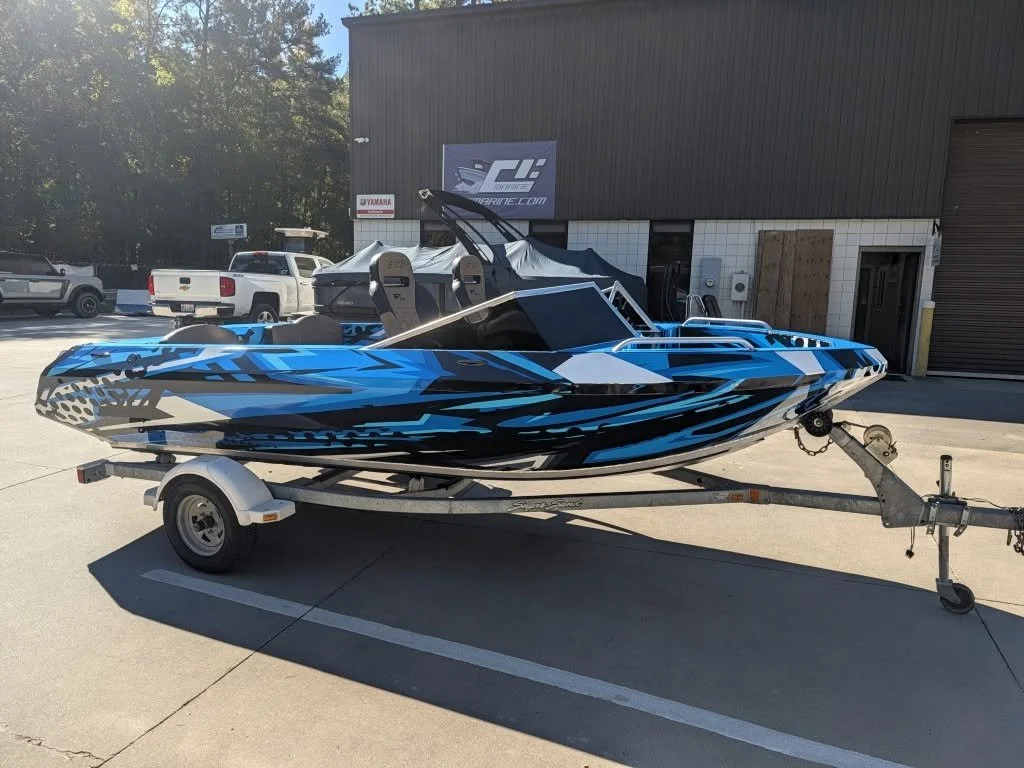
- Base kit
- Sitka 15ft Sportsman (14° delta pad aluminum hull with reverse chines, starting at $6,450 USD)
- Finished dimensions
- 17 ft overall with swim platform, 80 in beam
- Bottom & protection
- 1/2 in aluminum center pad, 1/4 in bottom sides, and 1/2 in UHMW across the entire bottom (365 drilled and tapped bolts)
- Power & pump
- 200 hp Mercury SportJet, stainless wear ring, high skew impeller, Southern Jet electric trim nozzle, and pneumatic stomp grate
- Helm & interior
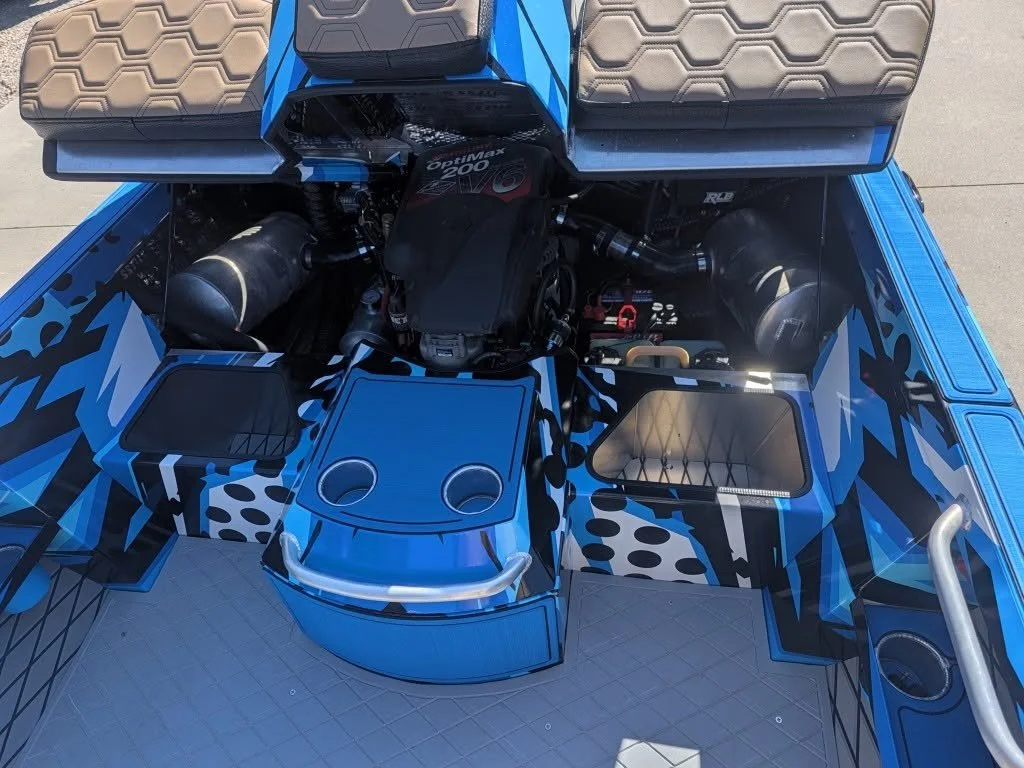
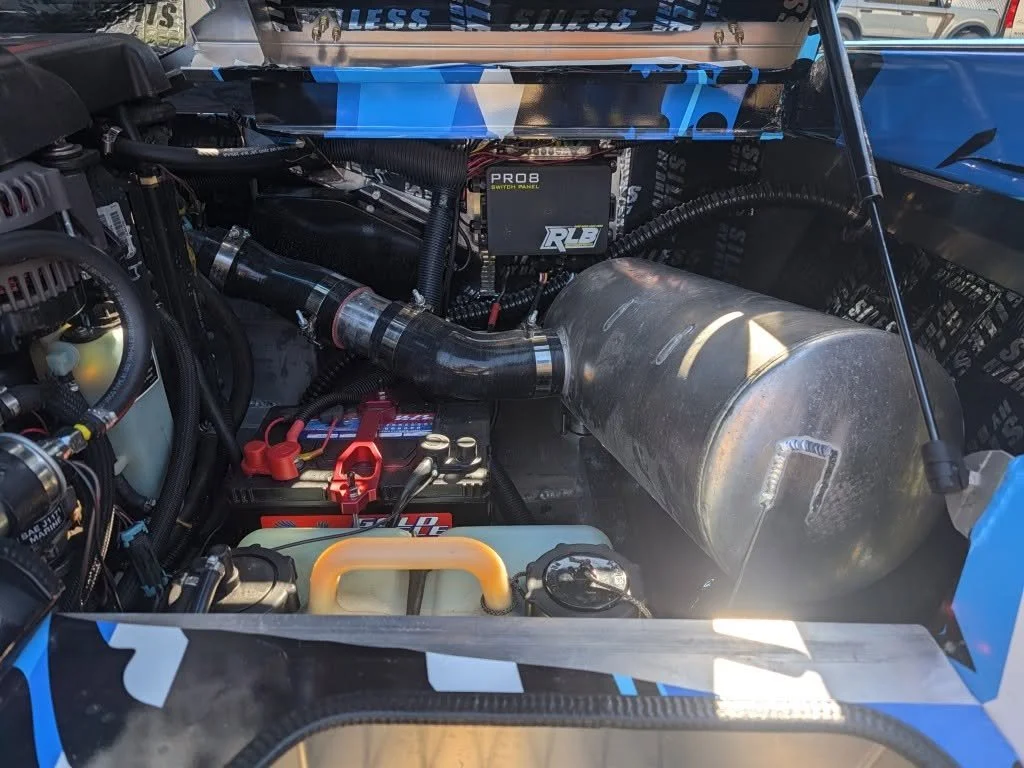
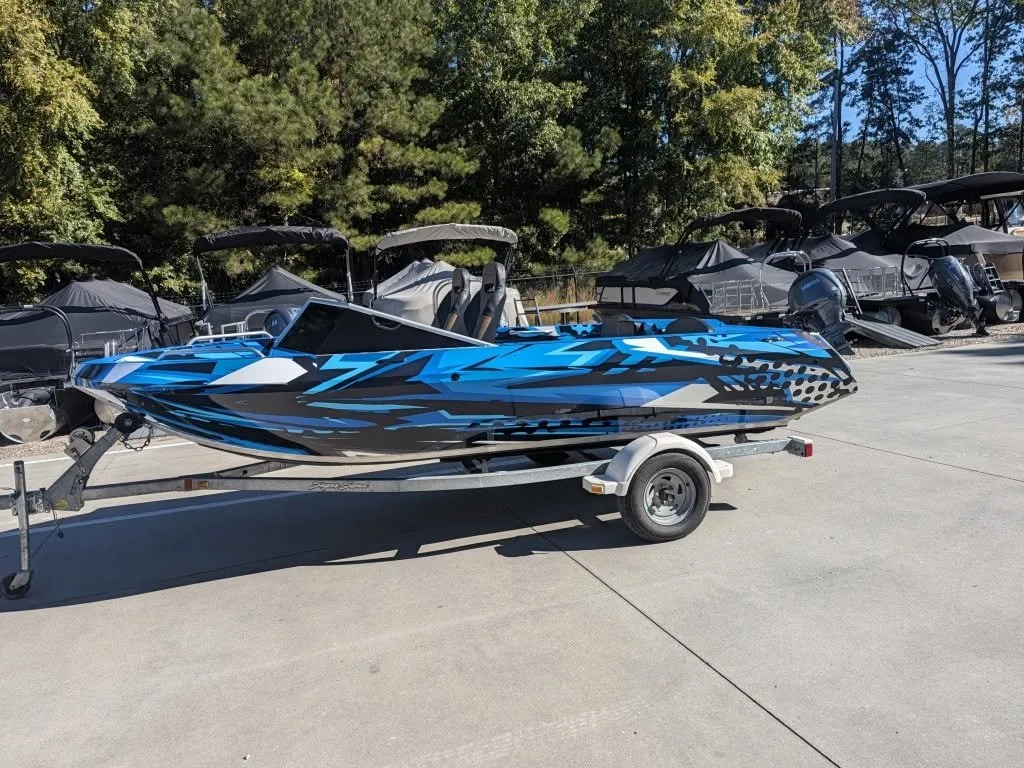
- Garmin 743XSV, suspension PRP seats on sliders, insulated engine compartment, custom marine flooring, and blue and black wrap
- On the water
- David reports 46 mph with 10 hours on the completed hull
JANUARY 2026 · KIT DELIVERY
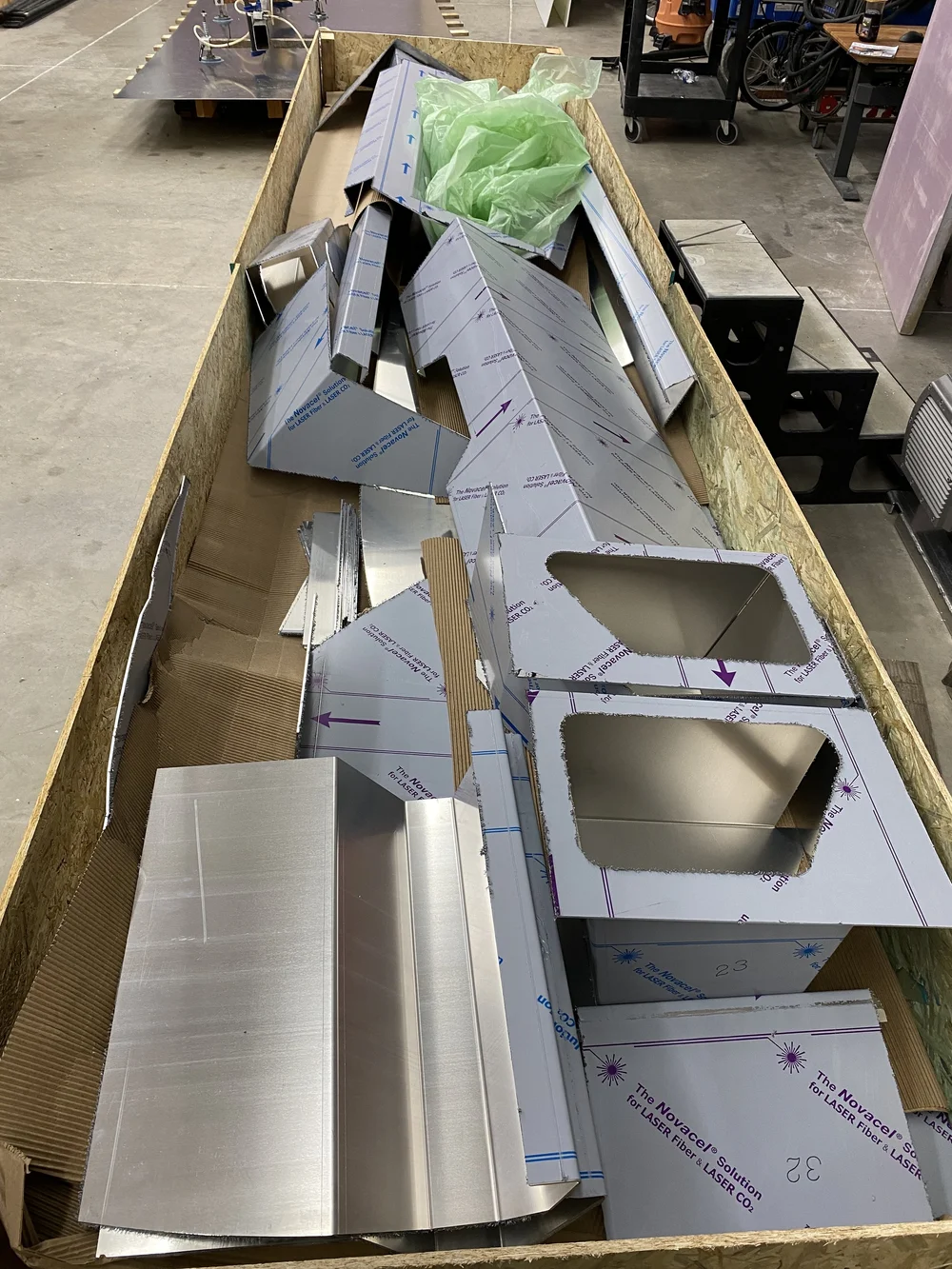
1. It starts with an open crate of cut aluminum.
Before there is a hull on a trailer, there is a crate on the shop floor. Your Sitka kit arrives as precision cut aluminum sheet, plate, and formed framing packed flat in Grants Pass, Oregon. Unpacking the crate, checking each piece against the published bill of materials, and sorting the subassemblies gives you a clear map of the build before you strike an arc.
JANUARY 30, 2026 · PARTS 1 & 2
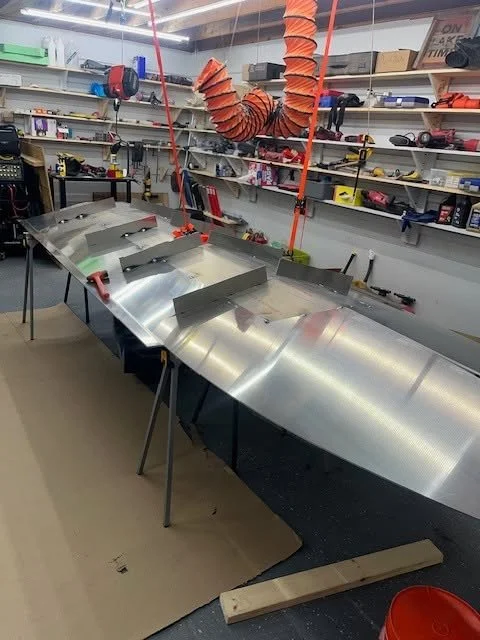
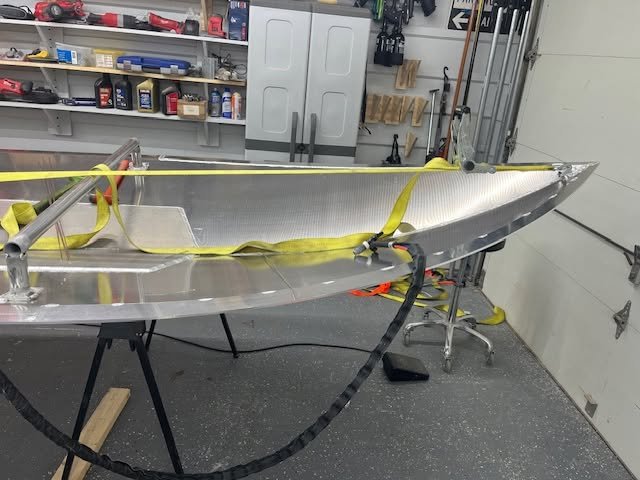
2. Lay out the bottom, pull the sides, and lock in the framing.
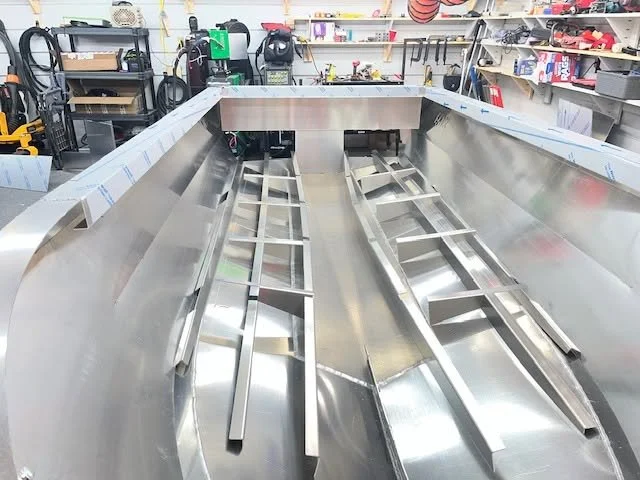
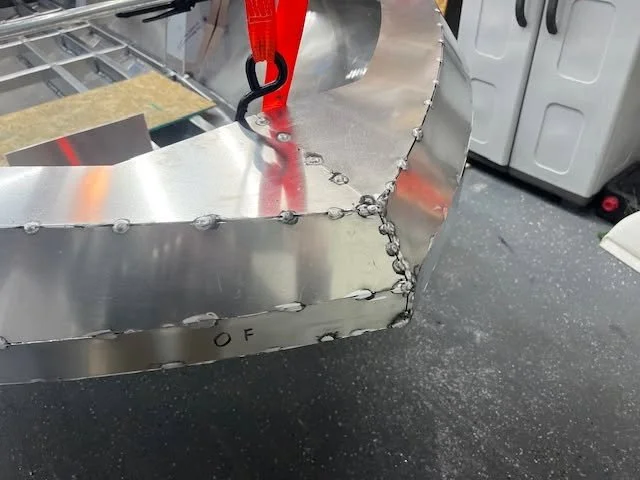
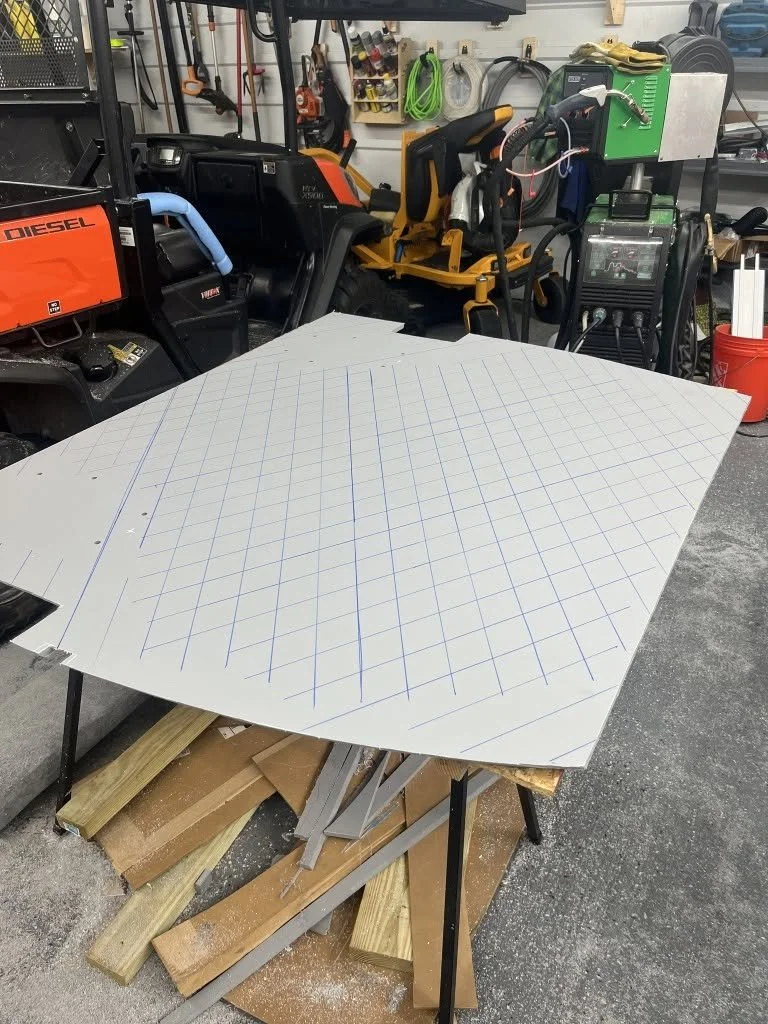
Once the bottom plates sit level on shop stands, the boat takes shape fast. David laid out the heavy bottom sections first, brought the 0.125 in hull sides up to meet the chines and bow, and fitted the internal stringers and crossmembers that give the 15ft Sportsman its rigid delta pad backbone. Tacking the structure in sequence lets you verify symmetry and panel fit while every joint is still easy to reach.
FEBRUARY TO MARCH 2026 · PARTS 3 & 4
3. Set the intake tunnel, transom, and power package early.
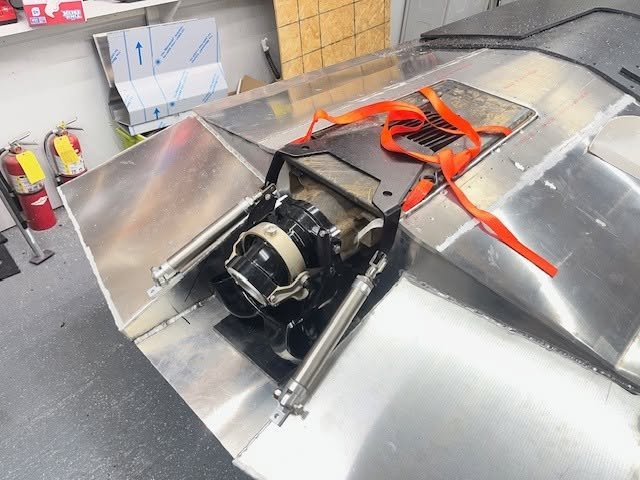
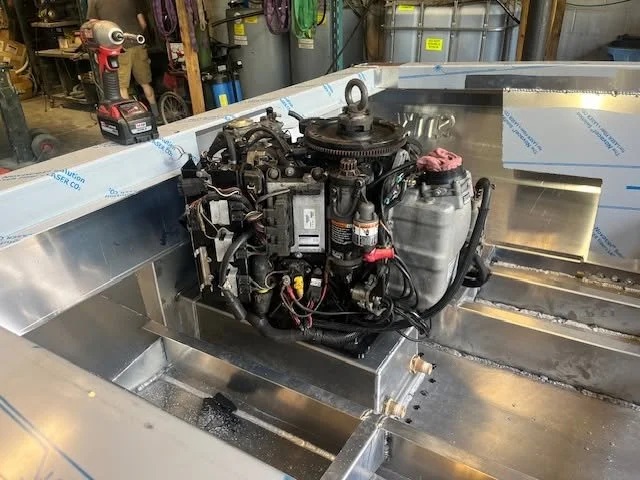
With the main hull structure tacked and squared, focus shifts to the stern and engine bay. David worked through the intake opening, transom structure, and test fitment for his 200 hp Mercury SportJet before closing in the upper decks. Checking engine clearance, shaft geometry, and service access at this stage makes final rigging far cleaner later in the build.
APRIL 10, 2026 · PART 5
4. Bolt on the UHMW rock protection.
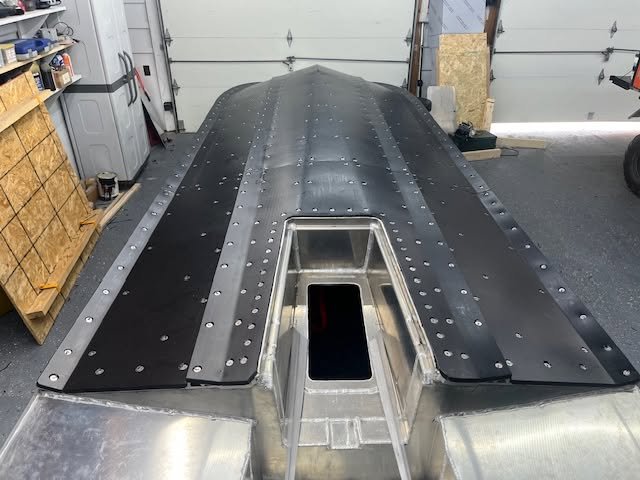
Shallow boulder gardens punish bare hulls, so David paired a 1/2 in aluminum center pad and 1/4 in bottom sides with 1/2 in UHMW plastic across the entire running surface. Flipping the hull upside down in the shop gave clean access to drill, tap, and lock down every fastener before moving topside.
“Bottom is done. 365 bolts drilled tapped and lock tightened in. Now for the topside.”
David Evans
JULY 22, 2026 · PART 6
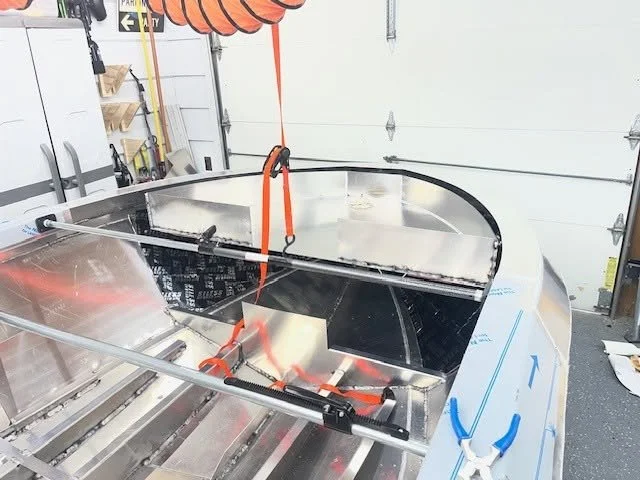
5. Weld out the deck, dash, and engine compartment.
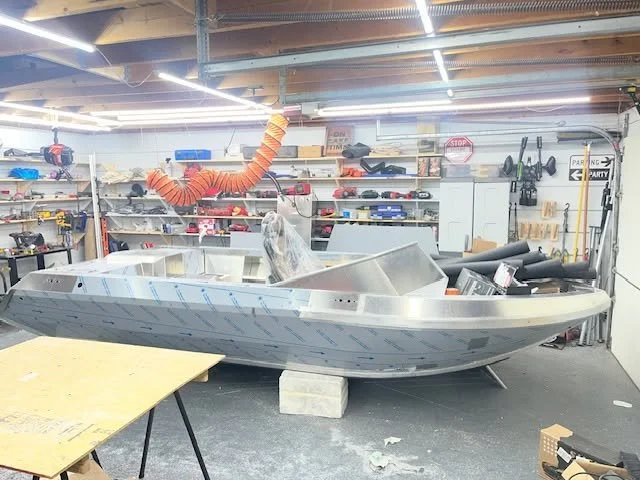
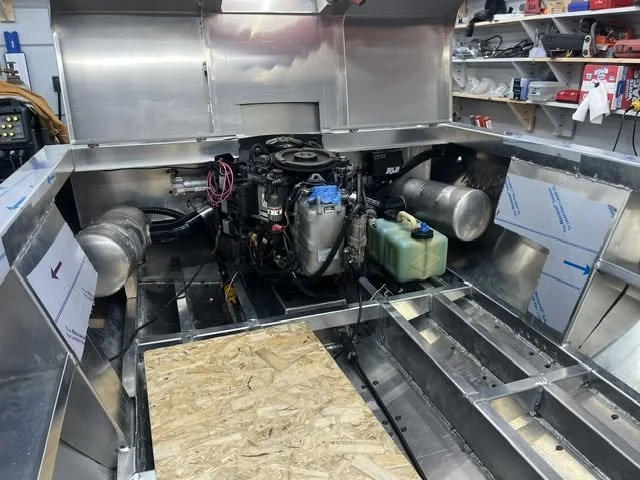
By midsummer, the stack of flat aluminum had become a complete SportJet hull. With the bow deck, walk through windshield framing, cockpit coamings, and engine compartment welded in place, only finish prep, electrical rigging, and exterior vinyl stood between the shop floor and the launch ramp.
“Boat is almost done. Just need to grind the welds down, wire it and wrap it.”
David Evans
OCTOBER 20, 2026 · PART 7
6. Rig the helm, insulate the bay, and wrap the hull.
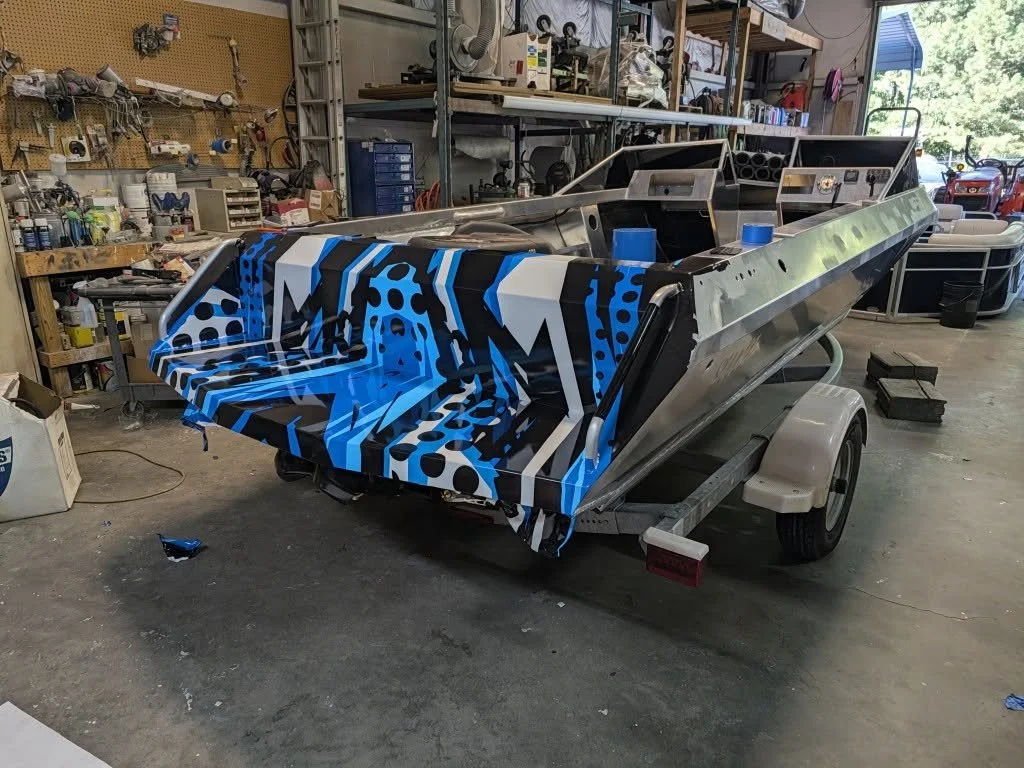
The personality of a custom build comes alive in the final rigging. David insulated the engine compartment to quiet the cockpit, cut and fitted custom marine deck panels, wired a Garmin 743XSV display with navigation and docking lights, installed a pneumatic stomp grate with an onboard air compressor, and finished the exterior in a sharp blue and black wrap.
OCTOBER 23, 2026 · COMPLETED BUILD
7. From flat aluminum panels to 46 mph on the water.
Ten months after opening the crate, David rolled the completed 15ft Sportsman out of the shop on its trailer, fitted with PRP seats on suspension bases and sliders, a Southern Jet nozzle with electric trim, and 200 hp of Mercury SportJet power.
“Sitka 15 Sportsman COMPLETE!!”
David Evans
Browse all 207 build and completed boat photos organized by stage in David’s listing, compare Sitka hull sizes from 6 to 20 feet, or configure a 15ft Sportsman kit for your shop.
Photos and build updates courtesy of David Evans in Mini Jet Boat Builds (Facebook links may require group access). All builder stories →
